


How Automation Is Transforming Retail Operations
 Feb 03,2026
 By Priyanka Shinde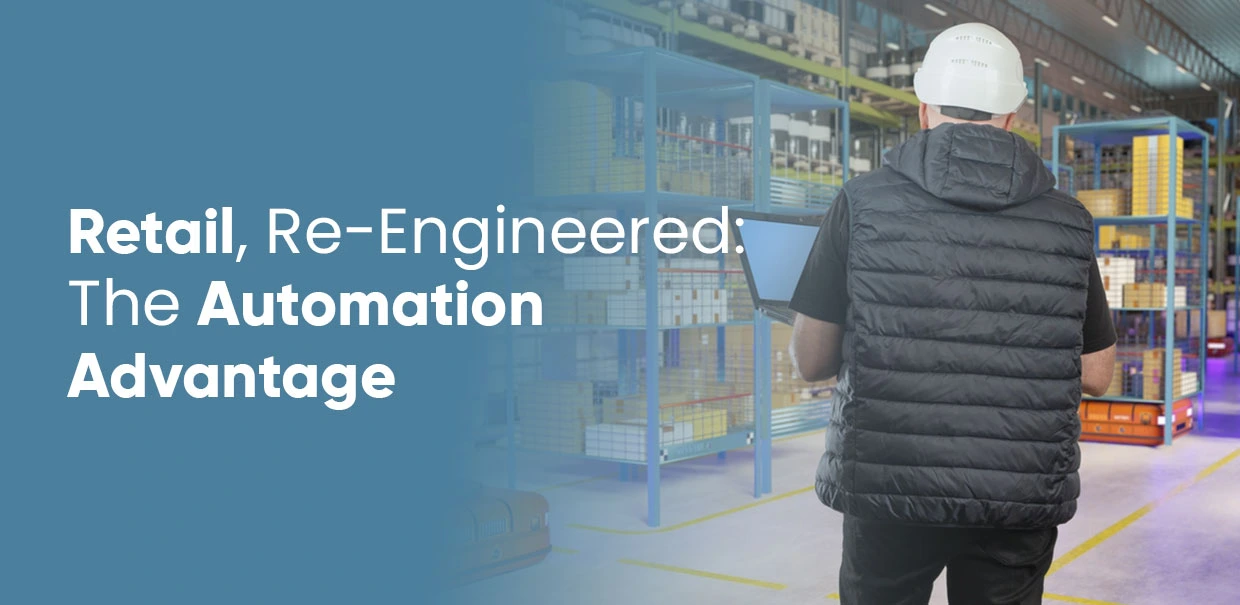
Introduction to Modern Retail Automation
The retail industry is experiencing one of the biggest transformations in its history. Customer expectations are rising, competition is intensifying, and operational costs are increasing. In this fast-moving environment, traditional business models are no longer enough.
This is where automation steps in.
Retail automation is changing how stores manage inventory, serve customers, process payments, and make decisions. From small local shops to global brands, businesses are using automation to improve retail operations management and build more agile, data-driven systems.
Simply put, automation is no longer a luxury; it is a necessity.
Understanding Retail Operations Management
What Are Retail Operations?
Retail operations include all activities that keep a business running smoothly, such as:
- Inventory control
- Store management
- Supply chain coordination
- Workforce management
- Customer service
- Financial reporting
When these processes work together, a retailer can deliver consistent service and maintain profitability.
The Role of Technology in Operations
Technology now acts as the backbone of retail workflow management. Automated systems collect data, analyze trends, and support daily decision-making. Instead of relying on guesswork, retailers can depend on real-time insights.
Manual vs Automated Processes
Manual processes are slow, repetitive, and vulnerable to errors. Automated processes are faster, scalable, and accurate. It’s like switching from handwritten records to smart digital dashboards.
What Is Retail Automation?
Definition and Core Concepts
Retail automation refers to using software, AI, and digital tools to perform routine and complex tasks with minimal human involvement. These systems work continuously, improving efficiency and consistency.
Key Technologies Behind Automation
Some of the main technologies driving retail automation include:
- Artificial Intelligence (AI)
- Robotic Process Automation (RPA)
- Cloud Platforms
- IoT Sensors
- Data Analytics Tools
Together, these technologies enable seamless workflow automation.
AI, RPA, and IoT in Retail
AI predicts customer behavior, RPA handles back-office tasks, and IoT monitors physical assets. This powerful combination improves visibility and control across operations.
The Evolution of Retail Workflow Management
Traditional Workflow Challenges
In traditional retail systems, data is scattered across departments. Sales, inventory, and finance often operate in silos. This leads to delays, miscommunication, and inefficiencies.
Smart Workflow Automation Solutions
Modern workflow automation connects every department. Information flows automatically between systems, reducing manual intervention and ensuring consistency.
For example, when a product is sold, inventory updates instantly, and reorder processes begin automatically.
Inventory Management in the Age of Automation
Real-Time Stock Tracking
Automated inventory systems provide real-time visibility into stock levels across warehouses and stores. Retailers always know what is available and where.
Demand Forecasting with AI
AI analyzes historical sales, market trends, and seasonal patterns to predict future demand. This allows retailers to prepare in advance.
Reducing Overstock and Stockouts
Overstock ties up capital, while stockouts lose customers. Automation helps maintain the perfect balance, improving profitability.
Enhancing Customer Experience Through Automation
Personalized Shopping Experiences
Automation enables personalized recommendations based on browsing history, purchase behavior, and preferences. Customers feel understood and valued.
Self-Service and Smart Checkout
Self-checkout machines, mobile payments, and contactless systems reduce waiting times and improve convenience.
Omnichannel Engagement
Automation supports seamless shopping across online, mobile, and in-store channels. Customers enjoy consistent experiences everywhere.
Automation in Supply Chain and Logistics
Smart Warehousing
Automated warehouses utilize robotics and AI to expedite the processes of picking, packing, and sorting.
Automated Replenishment Systems
When stock falls below a defined level, systems automatically place new orders, ensuring continuous availability.
Faster Fulfillment Models
Automation enables same-day and next-day deliveries, meeting modern customer expectations.
Workforce Optimization with Automation
Employee Scheduling Systems
AI-powered scheduling tools predict peak hours and allocate staff efficiently.
Reducing Administrative Work
Payroll, attendance tracking, and reporting are automated, resulting in reduced paperwork.
Upskilling the Retail Workforce
Employees shift from repetitive tasks to customer engagement and strategic roles, improving job satisfaction.
Data-Driven Decision Making
Real-Time Analytics
Retailers access dashboards showing sales performance, customer trends, and inventory status.
Business Intelligence Tools
BI tools transform raw data into meaningful insights that support planning.
Predictive Insights
Predictive analytics helps retailers anticipate future challenges and opportunities.
Financial Operations and Automation
Automated Billing and Invoicing
Invoices, receipts, and tax calculations are generated automatically, improving accuracy.
Fraud Detection Systems
AI monitors transactions and flags suspicious activity.
Cash Flow Optimization
Automated financial tools improve budgeting, forecasting, and expense management.
Cybersecurity and Compliance in Automated Retail
Data Protection Measures
Encryption, access controls, and monitoring tools protect sensitive customer data.
Regulatory Compliance
Automated systems ensure compliance with tax laws, privacy regulations, and labor policies.
Risk Management
Early-warning systems help prevent financial and operational risks.
Benefits of Retail Workflow Automation
Automation speeds up processes and eliminates bottlenecks. It also helps retailers uncover hidden operational costs in retail that silently reduce profitability.
Operational Efficiency
Automation speeds up processes and eliminates bottlenecks.
Cost Reduction
Reduced labor costs, fewer errors, and better resource utilization increase margins.
Scalability and Flexibility
Automated systems adapt easily to business growth and seasonal demand.
Challenges in Implementing Automation
High Initial Costs
Initial investments in software and infrastructure can be high.
Integration Issues
Legacy systems may require upgrades for smooth integration.
Change Management
Employees need training and support to adapt to new systems.
How to Get Started with Retail Automation
Assessing Business Needs
Identify operational gaps and pain points first.
Choosing the Right Tools
Select cloud-based, scalable platforms.
Partnering with Experts
Learning from industry experts and digital solution providers can accelerate transformation.
Future Trends in Retail Automation
Autonomous Stores
Cashierless stores powered by sensors and AI will become more common.
Hyper-Personalization
AI will deliver highly customized offers and experiences.
Voice Commerce
Voice-enabled shopping through smart devices will grow rapidly.
Conclusion
Automation is redefining how retail businesses operate, compete, and grow. From inventory management and supply chain optimization to customer engagement and financial control, automation strengthens every part of retail operations management.
By adopting retail automation and workflow automation, businesses can reduce costs, improve efficiency, and deliver exceptional customer experiences. In today’s digital-first world, automation is not just about survival; it’s about leadership.
Retailers who embrace this transformation today will shape the future of commerce tomorrow.
Frequently Asked Questions (FAQs)
1. What is retail automation?
Retail automation uses digital tools and AI to manage operations like inventory, billing, and customer service automatically.
2. How does automation improve retail operations?
It increases speed, accuracy, and efficiency while reducing errors and costs.
3. Is retail automation suitable for small businesses?
Yes. Cloud-based platforms make automation affordable and scalable.
4. Will automation replace retail workers?
No. It mainly reduces repetitive tasks and helps employees focus on high-value work.
5. How long does it take to implement automation?
Depending on business size and complexity, implementation can take weeks to months.

 Sep 22, 2026

