

The Hidden Operational Costs Automation Eliminates in Retail
 Feb 02,2026
 By Priyanka Shinde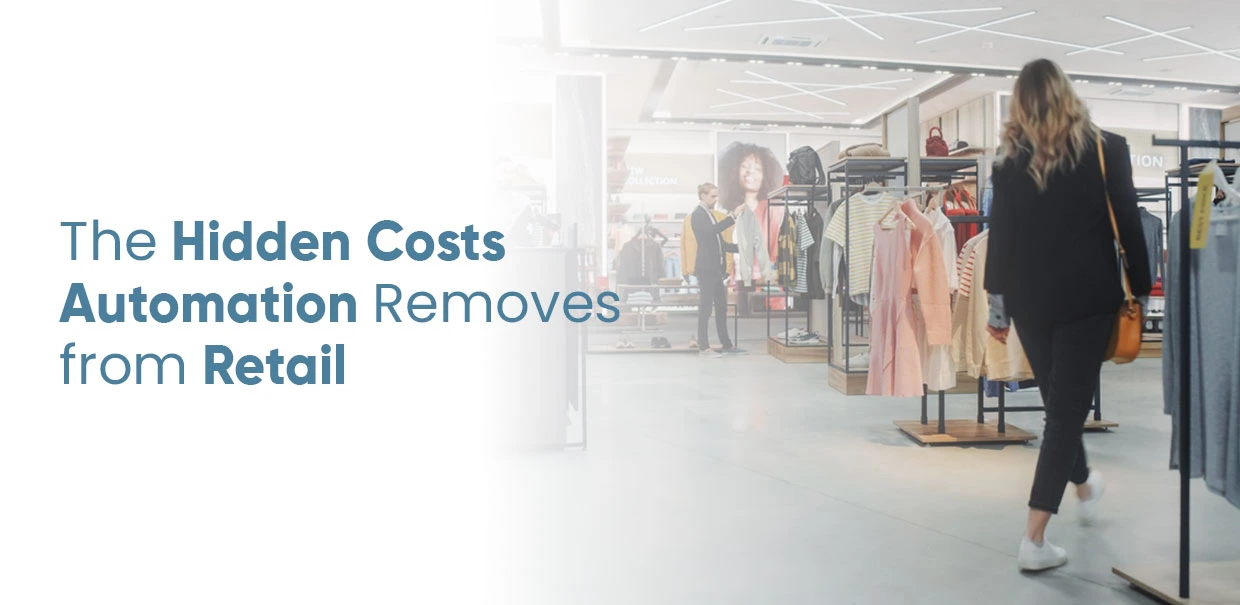
Introduction – The Silent Profit Killers in Retail
Have you ever wondered why your retail business seems busy but still struggles to grow profits? Sales might look good, foot traffic may be steady, yet margins remain thin. The real culprit often hides in plain sight: operational inefficiencies.
From wasted labor hours to inventory chaos, these silent profit killers slowly drain revenue. Fortunately, retail automation is changing the game, helping businesses uncover and eliminate these hidden expenses.
Let’s explore how automation in the retail industry quietly saves money while helping you build a smarter, faster operation.
Understanding Operational Costs in Modern Retail
Direct vs Indirect Costs
Direct costs include rent, salaries, and inventory. Indirect costs, however, are trickier. These include manual errors, wasted time, poor coordination, and system inefficiencies.
While direct costs are visible, indirect costs silently grow over time.
Why Hidden Costs Matter More Than You Think
Think of hidden costs like tiny leaks in a water tank. One leak won’t sink you. But dozens? They’ll drain your business dry.
That’s why optimizing retail operations requires addressing these invisible drains.
The Role of Automation in the Retail Industry
What Is Retail Automation?
Retail automation involves using technology to handle repetitive and time-consuming tasks such as inventory tracking, billing, reporting, and workforce scheduling.
How Automation Is Reshaping Stores and Supply Chains
Automation connects departments, integrates systems, and ensures information flows seamlessly. This improves retail workflow management and reduces dependency on manual work.
Labor Inefficiencies and Manual Errors
Overtime and Staff Burnout
Manual processes force employees to work longer hours. Overtime pay, fatigue, and high turnover add up quickly.
Automation reduces unnecessary workload, allowing teams to focus on high-value tasks.
Human Errors and Rework Costs
Mistyped orders, wrong pricing, and misfiled reports lead to rework. Automation minimizes these errors through standardized processes.
Inventory Mismanagement Losses
Overstocking Issues
Too much inventory locks up cash and increases storage costs. Unsold stock becomes dead weight.
Automation uses demand forecasting to maintain optimal stock levels.
Stockouts and Missed Sales
Empty shelves frustrate customers and hurt loyalty. Automated inventory systems alert managers before shortages occur.
Poor Retail Workflow Management
Fragmented Systems
Disconnected POS, inventory, and accounting systems create confusion. Employees waste time switching between platforms.
Automation integrates everything into one ecosystem.
Delayed Decision-Making
When reports take days to generate, opportunities are lost. Real-time dashboards enable faster, smarter decisions.
Shrinkage and Theft Risks
Manual Tracking Weaknesses
Paper logs and spreadsheets make it easy for losses to go unnoticed.
Smart Surveillance and Monitoring
Automated tracking and AI-powered cameras reduce shrinkage by identifying suspicious activity early.
Energy and Resource Wastage
Inefficient Store Operations
Lights, HVAC systems, and equipment running unnecessarily increase bills.
Smart Energy Systems
Automated energy management adjusts usage based on real-time demand, cutting utility costs.
Customer Experience Failures
Long Checkout Lines
Manual billing creates queues and frustrates shoppers. Many walk away without buying.
Service Inconsistencies
Automation ensures consistent pricing, promotions, and service across locations.
Data Silos and Reporting Delays
Scattered Information
When data lives in different systems, managers struggle to get a clear picture.
Real-Time Analytics Benefits
Automation centralizes data and delivers instant insights.
Compliance and Documentation Costs
Manual Audits
Preparing for audits manually takes weeks and costs thousands.
Automated Reporting Systems
Automation generates accurate reports instantly, ensuring compliance and reducing legal risks.
How Retail Automation Helps Optimize Retail Operations
Centralized Control
A single dashboard for inventory, staff, sales, and finance improves visibility.
Predictive Insights
AI-powered tools forecast trends, helping retailers prepare in advance.
Choosing the Right Automation Tools
Cloud-Based Platforms
Cloud solutions reduce infrastructure costs and allow remote management.
Scalability Factors
Choose tools that grow with your business and adapt to changing needs.
Real-Life Impact of Automation in Retail
Retailers who adopt automation report:
- 20–40% reduction in labor costs
- Faster inventory turnover
- Higher customer satisfaction
- Better profit margins
Automation isn’t just about technology; it’s about survival in a competitive market.
Future of Automation in Retail Operations
The future lies in AI-driven forecasting, robotic warehouses, voice-assisted ordering, and hyper-personalized shopping.
As customer expectations rise, automation in the retail industry will become a necessity, not a luxury.
Conclusion – Turning Hidden Costs into Profits
Hidden operational costs are like termites in a wooden house, silent, destructive, and dangerous.
Retail automation helps eliminate these invisible drains by improving efficiency, accuracy, and decision-making. From inventory control to customer service, automation empowers businesses to optimize retail operations and stay competitive.
If you’re serious about long-term growth, investing in smart retail workflow management isn’t optional anymore—it’s essential.
Frequently Asked Questions (FAQs)
1. What are the hidden operational costs in retail?
They include manual errors, wasted labor hours, inventory losses, energy waste, and system inefficiencies that aren’t easily visible.
2. How does automation reduce labor costs?
Automation handles repetitive tasks, reduces overtime, minimizes errors, and improves staff productivity.
3. Is retail automation suitable for small businesses?
Yes. Many cloud-based tools are affordable and scalable for small and medium retailers.
4. Can automation improve customer experience?
Absolutely. Faster checkouts, accurate pricing, and personalized offers enhance customer satisfaction.
5. How long does it take to see ROI from automation?
Most retailers start seeing returns within 6 to 12 months through reduced costs and increased efficiency.

 Sep 22, 2026

