

AI-Powered
Precision Agriculture & Crop Stress Detection

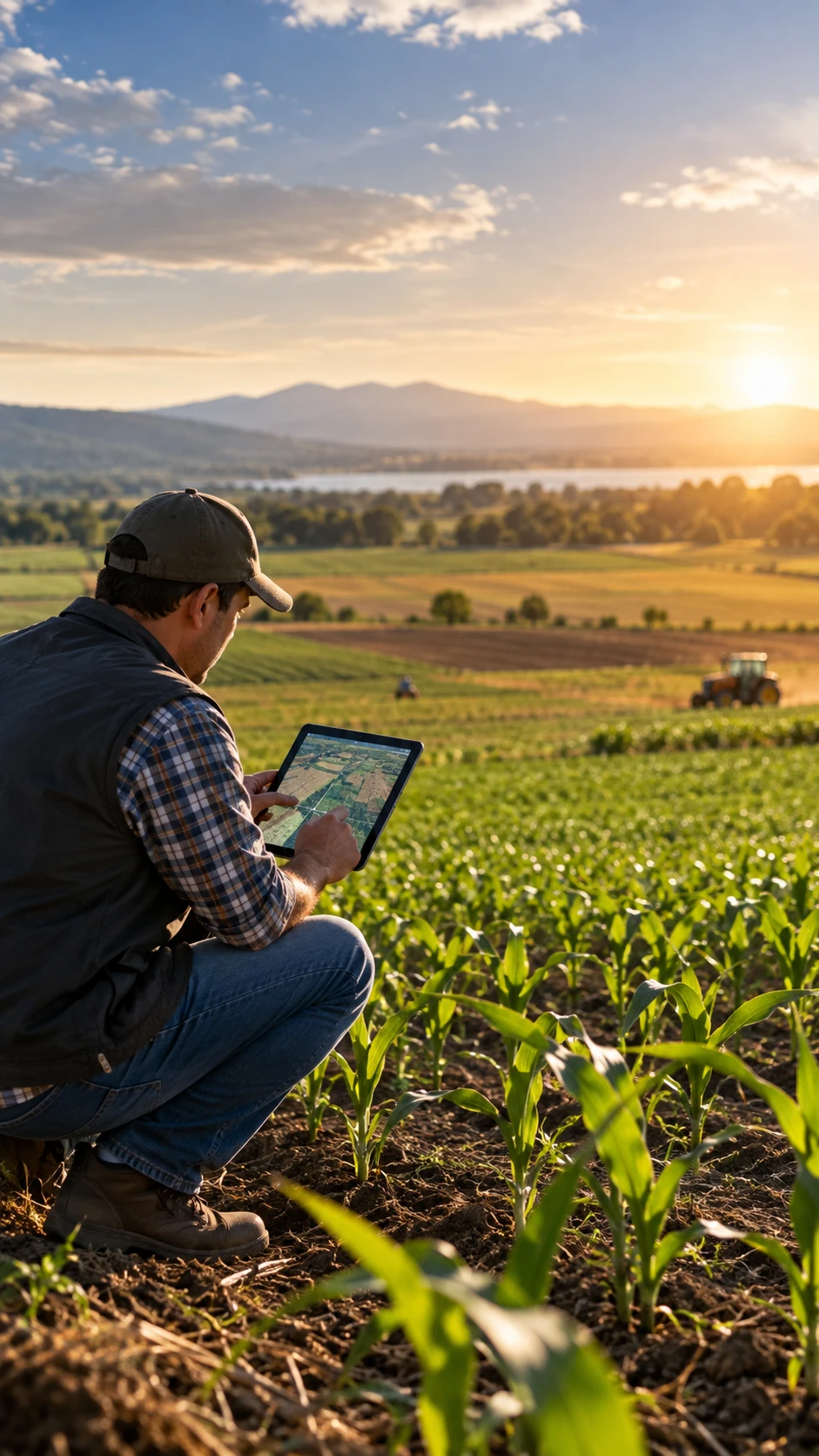
Combine satellite or drone imagery, crop-stress models, soil and weather data, field history and input inventory to prioritize agronomic action and schedule field work.

Business challenge

Field Interventions Arrive Late When Crop, Weather and Input Signals Are Assessed Separately

Agronomists and farm managers need to interpret imagery, soil conditions, weather, crop stage, field history and available inputs across large geographic areas. Periodic field checks and siloed data make it difficult to detect stress early, prioritize fields consistently and translate insights into timely, resource-aware action.

Common challenges include:

  • Large field-data volume: Imagery and field information need to be interpreted across many fields or crop areas to identify where attention is required.
  • Early stress detection: Crop stress needs to be identified before the appropriate response can be planned.
  • Weather and soil context: Soil conditions and weather forecasts need to be considered together with the observed crop condition.
  • Input-use decisions: Input recommendations need to reflect crop type, field history and available inventory rather than relying on a single signal.
  • Field-response coordination: The recommended action still needs agronomist review before it can become a scheduled field task.

Remote-Sensing Crop Intelligence with Agronomist-in-the-Loop Task Orchestration

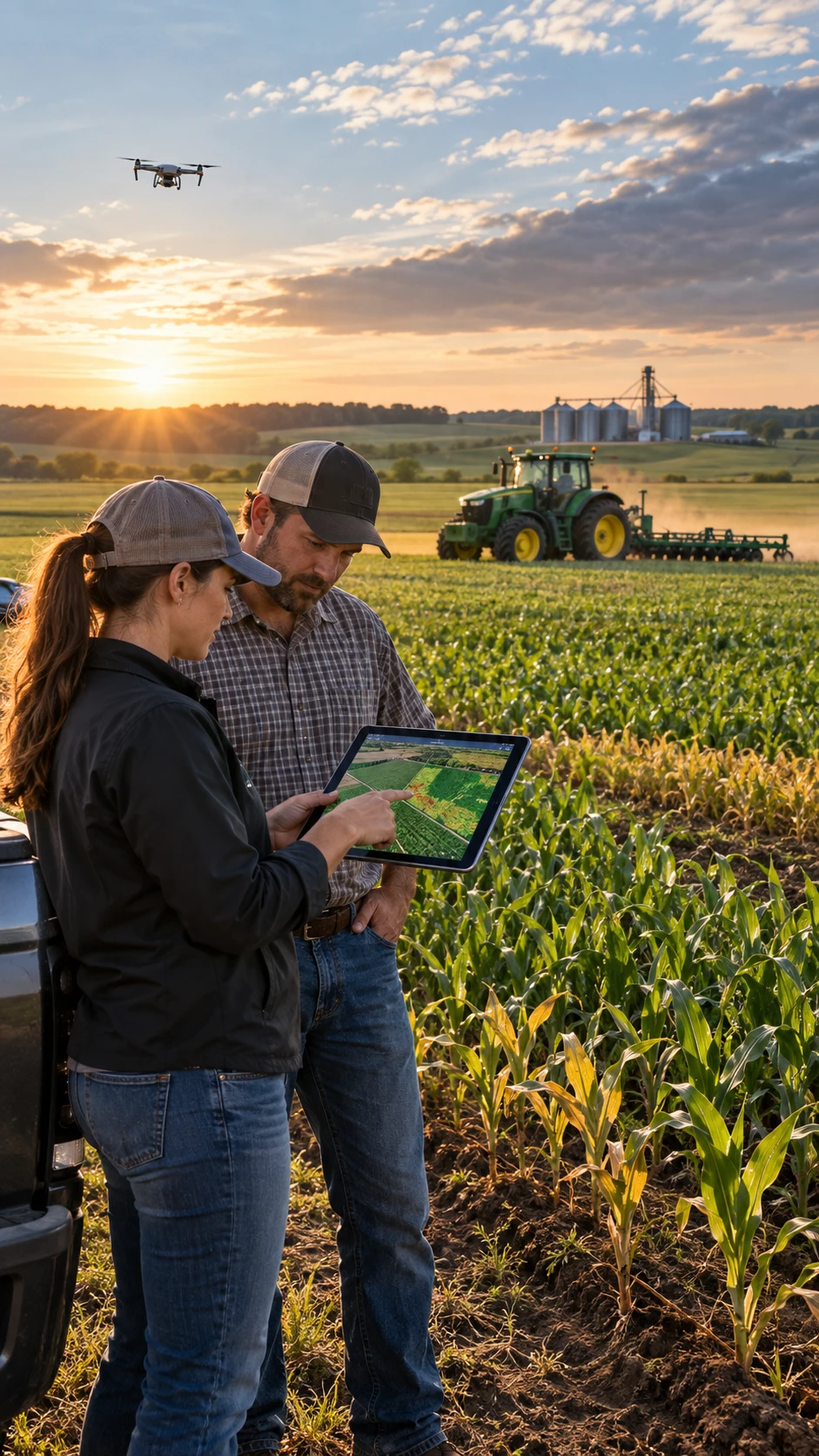
The workflow analyzes satellite or drone imagery for crop stress, combines the result with soil and weather signals, evaluates likely input needs and prepares a field action plan. Agronomists review the recommendation, adjust for local conditions and release field tasks through the farm-management system.

The solution uses:

  • Satellite / drone image intake: Bring field imagery into the workflow as the starting point for crop-condition analysis.
  • Crop-stress detection: Use image analytics and forecasting to identify areas that may require agronomic attention.
  • Soil and weather data pull: Add environmental context to the observed crop condition.
  • Input-need recommendation: Apply defined rules using crop, field and inventory context to support an input recommendation.
  • AI-generated field action plan: Summarize the condition, supporting context and recommended action for agronomist review.
  • Agronomist review: Keep the final agronomic decision under expert human control.
  • Field task scheduling: Convert the approved action into a field task in the relevant farm-management system.
Smarter invoice processing solution

Quantified Evidence for Precision Agriculture
Results

21% yield increase per acre

Farmers participating in the Saagu Baagu digital-agriculture program achieved a 21% increase in chilli yield per acre.

9% lower pesticide use

The same program reduced pesticide use by 9%.

5% lower fertilizer use

Fertilizer use fell by 5% while productivity and crop quality improved.

From Periodic Field Checks to
Precision, Signal-Driven Agronomy

Field management shifts from periodic observation toward continuous signal interpretation and prioritized intervention. AI identifies where attention is needed, while agronomists preserve responsibility for agronomic judgment, local context and input decisions.

    The workflow

    How AI-Powered Precision Agriculture & Crop Stress Detection Works

    The workflow combines imagery ingestion, crop-stress detection, soil/weather integration, input recommendation, AI-assisted field planning, agronomist review and task scheduling.

    01 CAPTURE

    Satellite / Drone Image Intake

    Current field imagery enters the workflow to provide a visual view of crop condition.

    • Satellite or drone imagery
    • Field or plot identity
    • Relevant crop area context

    Technology / System: Satellite / Drone Image Analytics

    02 DETECT

    Crop Stress Detection

    The imagery is analyzed to identify patterns or areas that may indicate crop stress.

    • Observed crop condition
    • Stress indicators
    • Field-level areas requiring attention

    Technology / System: Crop-Stress ML Detection

    03 CONTEXT

    Soil & Weather Data Pull

    Soil information and weather forecasts are added to the crop-stress view.

    • Soil data
    • Weather forecast
    • Crop type and field history

    Technology / System: Soil + Weather Data Integration

    04 RECOMMEND

    Input Need Recommendation

    Defined rules evaluate the field context and available inputs to prepare an agronomic recommendation.

    • Crop and stress condition
    • Input inventory
    • Relevant field and agronomic rules

    Technology / System: Agronomic Rules / Input Recommendation

    05 PLAN

    GenAI Field Action Plan

    Generative AI converts the field condition and recommendation into a concise action plan for agronomist review.

    • Field-condition summary
    • Supporting soil / weather context
    • Recommended action and input need

    Technology / System: GenAI Field Action Plan

    06 REVIEW

    Agronomist Review

    The agronomist validates the recommendation and confirms the field action.

    • Approve or modify the recommendation
    • Request additional assessment
    • Confirm timing and action priority

    Technology / System: Agronomist Review

    07 SCHEDULE

    Field Task Scheduling

    The approved action is converted into a field task in the relevant farm-management system.

    • Field task and location
    • Action timing
    • Required input or resource details

    Technology / System: Farm Management / Field Task Scheduling